Skip to content

tools-comparison

Python Type Checking Tools: mypy vs. pyright vs. pydantic vs. pandera vs. jaxtyping vs. check_shapes vs. typeguard

Introduction

Are you tired of runtime type errors that could have been caught earlier? Do you work with numerical computing, data science, or ML workflows where shape mismatches cause mysterious bugs?

python-code-carbon

The Python ecosystem offers a rich variety of type checking tools, from traditional static type checkers to modern runtime validation libraries and specialized shape checkers for scientific computing.

This comprehensive guide explores the landscape of Python type checking tools, helping you choose the right combination for your specific needs.

Database Management CLI: Equivalence in MySQL, PostgreSQL, and MongoDB

Introduction

Database management and querying are critical tasks for developers and database administrators. This guide explores syntax equivalences in MySQL, PostgreSQL, and MongoDB, enabling you to transition seamlessly between these systems using their command-line interfaces (CLI).

Understanding the corresponding syntaxes in each database system facilitates code portability and collaboration among developers and administrators across different platforms.

Numerical Analysis and Plotting: Equivalence in Python, R, MATLAB, and Scilab

Introduction

Numerical analysis and data visualization are fundamental aspects of scientific computing across various programming languages.

Ybc7289-bw

This guide explores syntax equivalences in Python, R, MATLAB, and Scilab, empowering you to transition seamlessly between these languages for numerical computations and plotting tasks.

Understanding the corresponding syntaxes in each language facilitates code portability and collaboration among researchers and developers across different platforms.

Exploring Python Code Formatters and Linters: black vs. flake8 vs. isort vs. autopep8 vs. yapf vs. pylint vs. ruff and more

Introduction

Are you struggling to maintain consistent formatting in your Python code? Do you find yourself spending too much time organizing imports or adjusting code style manually?

python-code-carbon

Navigating the landscape of Python code formatters and linters can be overwhelming, especially for beginners.

This guide serves as your roadmap to mastering Python code formatters and linters, simplifying the process and providing practical examples for effective code formatting, organization, and analysis.

Logging for Deployment in Python: A Practical Guide to Effective Debugging and Monitoring

Introduction

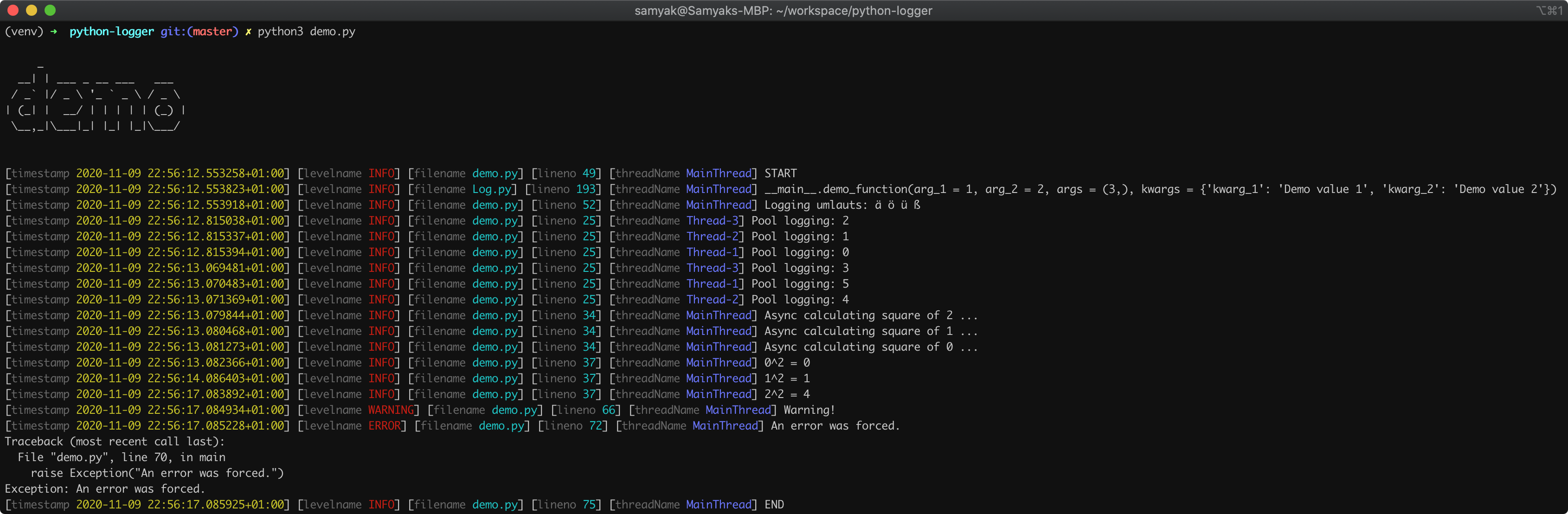
Are you still using print() statements for debugging in Python? Upgrade your logging game with Python's built-in logging module or the Loguru library!

If you're tired of scattered print statements cluttering your codebase, it's time to embrace the power of logging in Python. Whether you're a beginner or an experienced developer, mastering logging techniques is essential for effective debugging, monitoring, and troubleshooting of your Python applications.

logging-demo

Logging in Python allows you to set different levels of logging, such as DEBUG, INFO, WARNING, ERROR, and CRITICAL. With these levels, you can control the verbosity of log messages and focus on the information relevant to your current task.

Pathlib Tutorial: Transitioning to Simplified File and Directory Handling in Python

Introduction

Are you still using import os for file handling after 2020 ? Use pathlib instead !

If you're moving away from command line operations or 'os' module to Python's pathlib, you're at the right place.

Well, in this tutorial, we'll dive into the powerful pathlib module in Python. It offers a clean transition for users accustomed to CLI or 'os' for file and directory handling, providing an elegant and intuitive approach.

Managing Python Dependencies: Navigating pip, pipenv, poetry, conda and more

Introduction

In the realm of Python development, a crucial aspect is managing project dependencies effectively.

Python-logo-notext

This guide delves into four prominent tools—pip, pipenv, poetry, conda and more—each offering distinct approaches to dependency management. Grasping their strengths, weaknesses, and use cases empowers you to make informed decisions for your projects.